Why your rating goal isn't helping you
How to be SMART about your chess goals

If you’re a white collar employee of a big corportation with regular performance reviews, you’re probably familiar with SMART goals.
If you’re a chess improver, you’re probably familiar with rating goals.
If you’re both, there’s a chance you’ve tried to combine these two concepts, and make your rating goal SMART. Unfortunately, this doesn’t work.
SMART stands for Specific, Measurable, Achievable, Relevant and Time-bound. The reason your boss is probably a fan of this framework is that it keeps the organization on track. It helps all members of the team to know what their contributions are supposed to be, and keeps them accountable, motivated, and working on the right things.
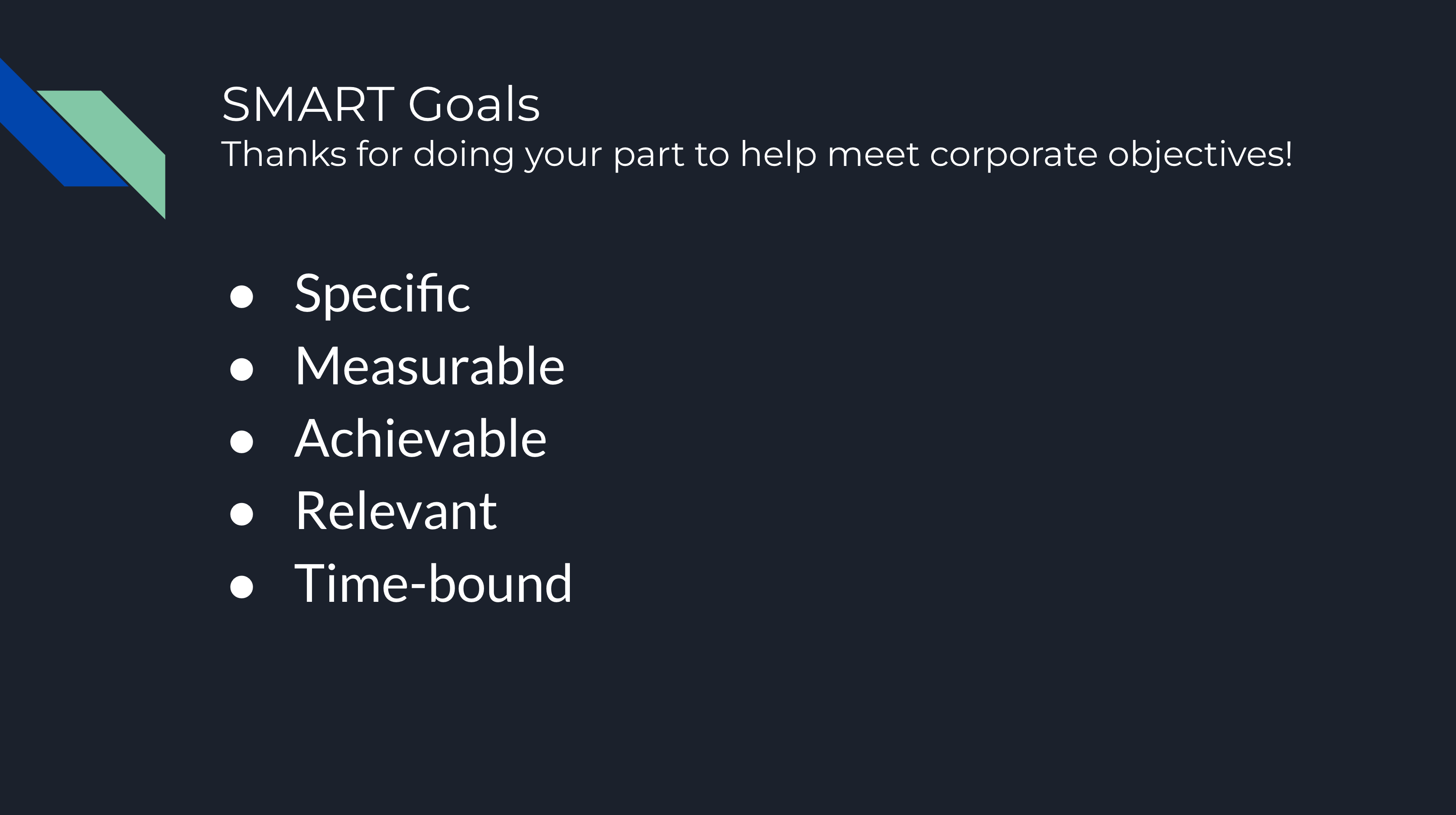
Doesn’t that sound smart? It’s understandable that an aspiring chess improver who’s organized and hard-working would want to use this framework too. A rating goal with a deadline — say, “I will make USCF 2000 by the end of next year” — meets four of the five SMART criteria. It’s Specific, Measurable, Relevant, and Time-bound. Unfortunately, it fails the “A” criteria.
What’s the A in SMART?
The A originally stood for “Assignable”. The 1981 business journal paper that introduced the concept conceived of SMART Goals as goals of a company, and the company would need to decide which employee would be assigned any given goal. As the concept was broadened to include personal goals inside and outside of the business world, people started using other words like Action-oriented, Attainable, and Achievable.
But whichever “A” word you use, the thrust of this rule is that the goal must be something you control. And your chess rating is not something you control.
The next best thing to a goal that meets all five SMART criteria is not a goal that meets four of the five criteria. A SMRT goal is not going to help you.
I used to think all rating goals were bad. But I softened my stance when I read this post by TheOnoZone. A “north star” goal — providing inspiration and direction, but not pressure — can be a rating, or title, or other oucome. It can serve to remind you of the reason you work so hard to improve at this game.
The critical thing, as TheOnoZone writes, is that this goal cannot have a deadline. Rating gains don’t happen on a schedule.
So the T is out, in addition to the A. We’re down to a “SMR” goal. And if we’re setting a north star goal, I think the S and the M are optional as well. If your rating goal is relevant — if it’s important to you — that’s all you need.
SMART goals are good, though
So your rating goal can’t be SMART, but there are other chess goals that can be. Here are some suggestions.
Play at least 50 classical games this year
Attempt five tactics puzzles every day for a month
Finish reading that chess book you started, by the end of next week
Complete your scheduled Chessable reviews every day
Play and review 100 games of blitz this month
Action-oriented, achievable, assignable - whichever “A” word you choose, these goals fit. These are all things you can accomplish, if you decide to prioritize them. And if you do, you’ll be giving yourself the best chance you can at those rating gains you dream about.
Really good point.
The process, not the date is the key driver and is controllable.
I am dropping my target time to achieve a specific rating.
Excellent post